From heat to heavy rains: why resilience is already part of modern architecture
· 2 min
Climate change demands smarter architectural solutions. Learn about the resilience strategies already shaping the construction industry.
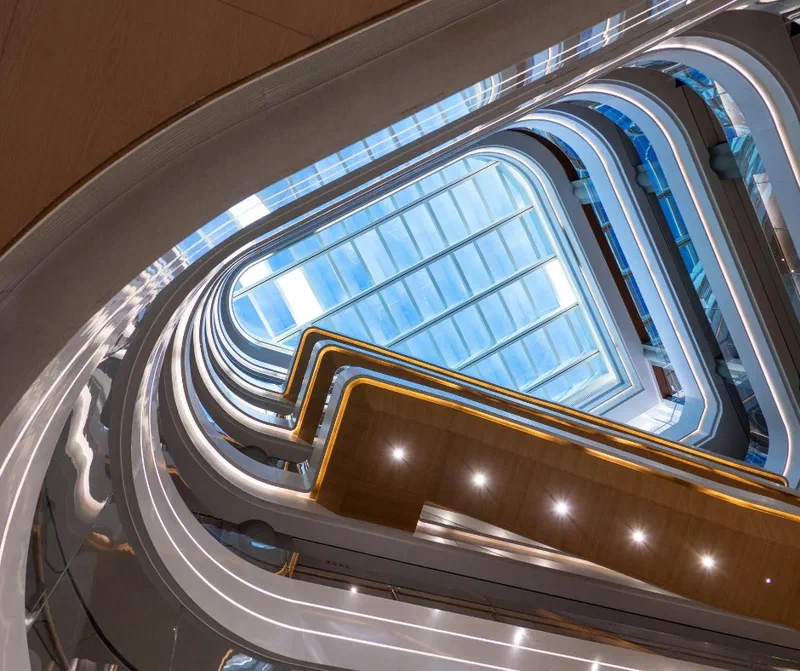
Climate change is already a reality that directly impacts the construction industry. Events such as heat waves, heavy rains, floods and strong winds demand smarter, safer and more sustainable architectural and construction solutions. It is against this backdrop that the concept of climate design and resilience is gaining strength.
What does it mean?
Designing with a focus on climate resilience means creating buildings capable of withstanding and adapting to extreme environmental conditions while maintaining comfort, efficiency and safety. It is not just about aesthetics or innovation, but about ensuring the longevity and sustainability of spaces.
Strategies applied around the world
In the leading centers of innovation in architecture and construction, solutions like these are already a reality:
- Natural cross ventilation: reduces reliance on air conditioning and promotes thermal comfort.
- Smart façades: brise-soleils, solar-control glass and systems that regulate the entry of light and heat.
- Green roofs and permeable pavements: help control urban temperature and manage rainwater.
- Rainwater harvesting and reuse: systems that store and reuse water resources for different purposes.
- Resilient materials: new low-carbon compositions that are more durable and weather-resistant.
- Integrated clean energy: solar panels and microgeneration to reduce emissions and operating costs.
Why is it on the rise?
- More frequent climate impacts demand immediate solutions.
- International regulations already require resilient standards in new projects.
- Long-term savings: prepared buildings reduce maintenance and energy consumption costs.
- ESG requirements: investors and companies are seeking projects that demonstrate environmental responsibility.
Easy’s perspective
For Easy, climate design is more than a trend: it is part of a vision for the future. Every project is an opportunity to combine safety, well-being and efficiency, delivering buildings that are prepared for tomorrow and aligned with global sustainability standards.